Complete Guide to Packing Fragile Items for UK Moves
If you have ever opened a box after a move and heard that horrible little clink, you will know why fragile packing matters. The Complete Guide to Packing Fragile Items for UK Moves is about more than wrapping things in paper and hoping for the best. It is about protecting glassware, china, mirrors, lamps, artwork, and all the awkward breakables that make a house feel like home.
UK moves bring their own challenges too: narrow staircases, tight parking, rain that seems to appear from nowhere, and vans that may need careful loading in a hurry. Done well, fragile packing reduces damage, saves time on moving day, and cuts down on stress. Done badly, well... let's face it, the box always seems to shake at the worst possible moment.
This guide walks you through the practical methods, materials, and decisions that matter most. You will get a clear step-by-step process, a useful checklist, common mistakes to avoid, and a realistic comparison of packing approaches. If you are planning a home move, booking a home moves service or looking into packing and unpacking services, this will help you make sensible choices.
Table of Contents
- Why fragile packing matters for UK moves
- How the packing process works
- Key benefits and practical advantages
- Who this is for and when it makes sense
- Step-by-step guidance
- Expert tips for better results
- Common mistakes to avoid
- Tools, resources and recommendations
- Law, compliance, standards and best practice
- Options, methods and comparison table
- Case study or real-world example
- Practical checklist
- Conclusion
- Frequently asked questions
Why Complete Guide to Packing Fragile Items for UK Moves Matters
Fragile items are usually the hardest belongings to move because they combine three problems at once: they are often irregularly shaped, they are sensitive to pressure, and they are the things people care about most. A chipped mug is annoying. A broken heirloom vase or cracked TV screen is something else entirely.
In UK moves, there is also the practical side. Boxes can be carried through shared hallways, stacked in a van, and jostled over speed bumps, roundabouts, and stop-start city traffic. Even a careful team cannot eliminate every bump in the road. That is why packing needs to absorb movement, hold shape, and keep fragile items separated from each other.
There is another angle too. Good packing makes loading easier. A well-packed box is easier to lift, easier to stack, and less likely to collapse under pressure. That helps movers work more safely and efficiently, which matters whether you are moving a one-bedroom flat or a family house.
Expert summary: If an item can scratch, crack, bend, leak, or shatter, it needs padding, separation, and a box that fits the item rather than the other way around. The aim is not just to stop breakage, but to control movement inside the box.
For larger moves, packing and transport decisions often go hand in hand. If you are comparing transport options, it can help to understand how a man and van setup differs from a larger moving truck, especially when fragile items need extra loading space and careful placement.
How Complete Guide to Packing Fragile Items for UK Moves Works
The basic idea is simple: create layers of protection so the item cannot move around and cannot touch hard surfaces directly. In practice, that means thinking in four stages: prepare, wrap, cushion, and label.
1. Prepare the item and the space
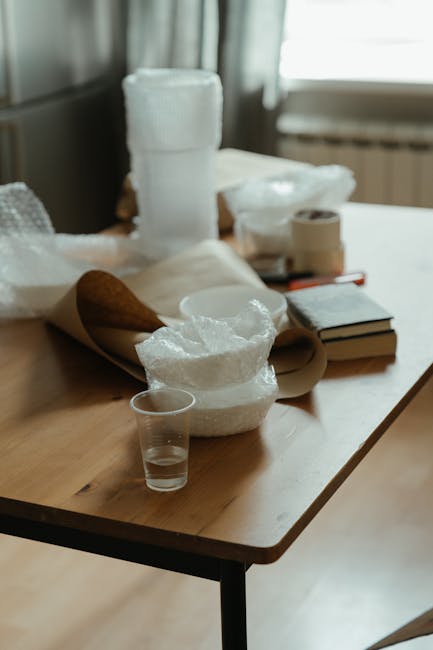
Before you pack anything, clear a clean surface such as a table or kitchen worktop. Dust and crumbs can scratch delicate surfaces, oddly enough. Gather boxes, tape, wrapping paper, bubble wrap, markers, and dividers before you start. Hunting for tape halfway through never goes well.
2. Wrap each item individually
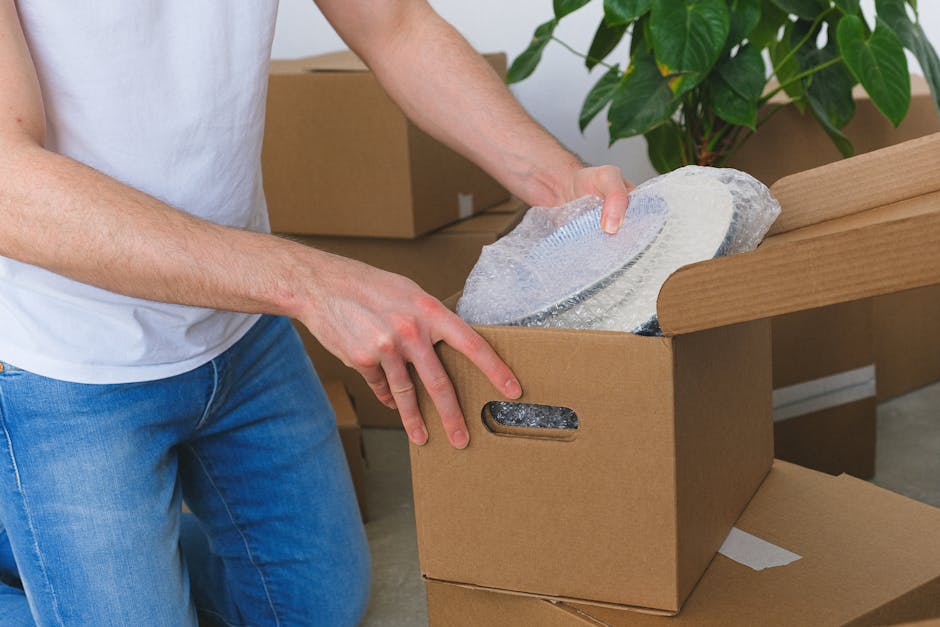
Each fragile item should be wrapped on its own, even if you think two glasses or two plates "fit neatly together". The point is to stop contact point damage. Glasses should be cushioned around the stem and bowl. Plates need wrapping between layers, not just around the outside of a stack.
3. Fill voids so items do not shift
Movement is the real enemy. Empty spaces inside a box let items slide, twist, or bump into each other. Use scrunched paper, soft packing material, or folded paper to fill gaps. A well-packed box should feel snug, not rattly.
4. Label clearly and load sensibly
Mark boxes clearly with "fragile", room names, and upright arrows where relevant. This does not guarantee perfect handling, but it gives everyone a fair warning. If you are using professional help, mention fragile boxes early and place them where they can be loaded last and unloaded first.
For more complex moves involving mixed household contents, it can also help to review broader moving support such as removal services or house removals, since the way your fragile packing fits into the full move matters just as much as the wrapping itself.
Key Benefits and Practical Advantages
Packing fragile items properly sounds like a nuisance at first. It is. But the payoff is real, and usually immediate on moving day.
- Less breakage: The obvious one. Proper padding and separation protect against impact and vibration.
- Faster unpacking: Clearly labelled boxes and sensible grouping make it much easier to settle in.
- Better use of van space: Compact, secure boxes stack more safely.
- Reduced moving-day stress: You are less likely to panic every time a box is lifted.
- Lower replacement hassle: Some items cannot simply be reordered with a click, especially sentimental pieces.
- Cleaner handover: If you are moving from a rental, fewer accidental losses means fewer awkward conversations later on.
There is also a subtle benefit that people miss: good packing helps you decide what to keep. When you assess each fragile item one by one, it is easier to spot duplicates, damaged pieces, or things you no longer want to move. That alone can trim the job down a bit.
Who This Is For and When It Makes Sense
This guide is for anyone moving in the UK who has fragile belongings to protect. That includes first-time movers, families, landlords, flat-sharers, and business owners moving equipment or decorative items. If you are packing only soft goods, this level of planning may be overkill. But for breakables, it is sensible.
It is especially useful if you have:
- glassware, crockery, and mugs
- mirrors, picture frames, and artwork
- lamps, lampshades, and ornaments
- electronics with screens or delicate components
- bottles, toiletries, or other leak-prone items
- collectables or sentimental items that cannot be replaced easily
It also makes sense if your move involves stairs, shared access, limited parking, or a long carry to the van. Those are the moments when items get put down, lifted again, and shifted around more than planned. Not dramatic, just real life.
If you are moving from a compact London flat, for example, the logistics may be tighter than in a larger suburban house. In those cases, it can be worth comparing general moving support such as removals near me or more specific options like man and van removals if you need flexible loading for smaller loads.
Step-by-Step Guidance
Here is the practical process. Keep it simple. The best packing routines are usually the ones you can repeat without second-guessing yourself every five minutes.
Step 1: Sort items by fragility and shape
Group similar items together. Glasses go with glasses. Plates with plates. Odd-shaped decorative items on their own. This helps you choose the right box size and padding level. A lamp base does not pack like a wine glass, and trying to make them behave the same way is asking for trouble.
Step 2: Choose the right box
Use sturdy, double-walled boxes for valuable or especially breakable items if possible. Smaller boxes are often better for heavy fragile pieces like books and ceramic dishes because they reduce the risk of crushing and make lifting safer. Bigger is not always better. In packing, big boxes can become regretful boxes.
Step 3: Prepare the base
Line the bottom with cushioning material. This creates a soft landing zone if the box is set down firmly. Crumpled paper works well for many household items. For more delicate objects, add a thicker layer or a combination of paper and bubble wrap.
Step 4: Wrap each item carefully
Wrap the item fully, covering corners, handles, and protruding edges. Use extra padding on the most vulnerable points. A mug handle, for example, is a classic weak spot. So is the rim of a glass or the corner of a photo frame.
Step 5: Pack item by item, not by guesswork
Place the heaviest fragile items at the bottom if they can support the load, and lighter ones above. Fill gaps as you go. If you hear anything moving when you gently shake the box, it needs more support.
Step 6: Add a top layer and seal properly
Once the box is full, add a final cushioning layer on top before closing it. Seal all seams with good-quality tape. A box that opens during a stair lift is nobody's idea of fun.
Step 7: Label with detail
Write the room, contents, and handling note clearly. "Fragile - kitchen - glasses" is more useful than just "fragile". If there is a side that should stay upright, mark it. If the box contains something especially valuable, consider noting that separately in your inventory.
Step 8: Keep essential fragile items accessible
Some fragile items should be packed last and unloaded first, such as everyday crockery, glasses, or a kettle if it is handled carefully. That way you are not digging through ten boxes before you can make tea on arrival. Practical, not glamorous.
| Item | Best packing method | Notes |
|---|---|---|
| Glassware | Wrap individually, use dividers if possible | Protect stems and rims first |
| Plates | Stack vertically with padding between each item | Vertical packing reduces pressure points |
| Mirrors | Corner protectors, layered wrap, rigid outer box | Mark clearly and avoid loose movement |
| Lamps | Remove bulbs and shades, wrap parts separately | Bag small fittings together |
| Electronics | Use original packaging where available | Back up data before moving anything sensitive |
Expert Tips for Better Results
Small improvements make a big difference with fragile packing. These are the details that tend to separate a decent move from a stressful one.
Use the right combination of materials
Paper is excellent for surface protection and filling gaps. Bubble wrap is better for impact cushioning. Cardboard dividers help with glasses and bottles. Combining materials often works better than relying on just one. That said, more is not always better if it makes the box too bulky or awkward to close.
Pack by room, then by fragility
It is tempting to throw all breakables together in one box type. Instead, organise items by room first and then by protection needs. Kitchen fragile items, for example, often need a different approach from living room ornaments or bedroom mirrors. It keeps unpacking calmer later.
Keep weight manageable
Fragile does not mean light. A box of ceramic plates can become surprisingly heavy. Keep smaller boxes for dense items and avoid overfilling. If you need two trips to lift a box safely, that is usually a sign the box is too heavy.
Protect against moisture on wet UK days
Rain on moving day is almost part of the national experience. Use plastic covers, waterproof bags for small loose items, and keep boxes off damp pavements while loading. Even a bit of drizzle can soften cardboard if it is left exposed too long. A few minutes outside is fine; an hour in the rain is not.
Photograph valuable items before packing
If something is especially valuable or delicate, take a quick photo before it goes in the box. That gives you a simple record of its condition. It is not dramatic, just sensible.
Do a final tap test
Gently tap the side of the packed box. If it feels hollow or you can hear movement, add more cushioning. The goal is a firm, quiet box. Quiet is good here.
If you are using a moving team, tell them which boxes should not be stacked at the bottom. A short conversation at the start saves a lot of awkwardness later. Truth be told, clear communication is one of the best packing tools there is.
Common Mistakes to Avoid
Most fragile-item damage is not caused by one huge mistake. It is caused by a series of small ones that add up. These are the ones worth watching for.
- Using oversized boxes: Extra space means extra movement.
- Packing too tightly: Cramped items can press against each other and chip.
- Not cushioning the base and top: The first and last layers matter more than people think.
- Mixing heavy and delicate items: A heavy object can crush something more fragile underneath.
- Leaving handles, stems, or corners exposed: These break first.
- Skipping labels: Unlabelled boxes are more likely to be handled carelessly.
- Using weak tape: Flimsy tape can fail when boxes are lifted repeatedly.
- Packing too late: Rushing is where mistakes happen. Every time.
One common slip-up is overestimating how much wrapping is enough. People think, "That looks safe." But safe is not visual; safe is structural. If the item can shift, it is not safe enough.
Tools, Resources and Recommendations
You do not need a warehouse full of specialist equipment. A simple, well-chosen set of packing tools is usually enough for most UK house moves.
- Strong cardboard boxes: Preferably in several sizes so items can be matched properly.
- Packing paper: Useful for wrapping and filling gaps.
- Bubble wrap: Best for impact-sensitive items and corners.
- Packing tape: Choose a tape that seals cleanly and holds under pressure.
- Markers and labels: Clear handwriting matters more than fancy labels.
- Scissors or a tape dispenser: Keeps the process moving.
- Dividers or inserts: Very useful for glasses, bottles, and similar items.
- Blankets or padded wraps: Helpful for larger fragile items such as mirrors or lamps.
Some people like to reuse original packaging for electronics and appliances. When it is available, that is often a smart move because the inserts are designed for the item. If not, use a snug outer box and plenty of cushioning around the edges.
For business premises or mixed-use moves, you may also want to look at broader moving support such as commercial moves or office relocation services, especially if fragile stock, displays, or equipment need careful sequencing alongside furniture.
If disposal or replacement is part of your planning, it can also help to understand associated services such as furniture pick up or general removal company support when the move involves more than just boxes.
Law, Compliance, Standards, or Best Practice
For most home moves, there is no special legal rule that says fragile items must be packed in a particular way. Still, there are clear best-practice expectations around safe lifting, secure loading, and responsible handling. These matter because poorly packed boxes can become a safety issue, not just a damage issue.
If you are using professional movers, it is sensible to check the company's insurance, safety approach, and packing terms before the move. That does not mean every damaged item is automatically covered; policies vary, and exclusions can apply. But clarity up front helps avoid arguments later. A trustworthy mover should be able to explain what support they provide and what they expect from you as the customer.
At a practical level, good packaging should:
- be structurally sound
- be sealed properly
- be labelled clearly
- not contain prohibited or unsafe loose contents
- be suitable for manual handling and stacking
If you are comparing moving providers, reading their insurance and safety information and health and safety policy can be worthwhile. It gives you a better sense of how fragile items are likely to be treated in practice.
Payment, booking, and packing arrangements are also worth understanding in advance. Policies on deposits, cancellation, or secure payment can affect timing more than people expect, especially if you are coordinating a chain move.
Options, Methods, or Comparison Table
There is no single best way to pack fragile items. The right method depends on the item, the budget, and how much time you have before moving day. Below is a simple comparison to help you choose sensibly.
| Method | Best for | Pros | Limitations |
|---|---|---|---|
| Paper wrap and void fill | Crockery, mugs, ornaments | Affordable, flexible, good for most household items | Needs careful layering and can take time |
| Bubble wrap and strong boxes | Glass, mirrors, framed items | Excellent cushioning and impact protection | Bulkier, can use more material |
| Dividers and inserts | Glasses, bottles, collectibles | Keeps items separated and upright | Less useful for odd-shaped objects |
| Original packaging | Electronics, appliances, delicate equipment | Usually the best fit and protection | Only works if you kept the packaging |
| Professional packing service | Busy households, high-value moves | Saves time, reduces stress, adds expertise | Costs more and still needs clear instructions |
If you are deciding between doing it yourself and getting help, the real question is not just cost. It is time, confidence, and the value of what you are moving. For some people, carefully packing the kitchen over a weekend is fine. For others, handing the job over is the sane choice. Perfectly reasonable, by the way.
Case Study or Real-World Example
Consider a typical two-bedroom flat move in London. The household has a set of everyday plates, six wine glasses, a large framed print, two table lamps, and a few sentimental pieces picked up over the years. Nothing rare, but enough to cause stress if packed badly.
The packing process starts in the kitchen on a quiet Saturday morning. Plates are wrapped individually and packed vertically in a small box, with paper cushioning between layers. The wine glasses are separated with extra wrap around stems and packed in a divider box. The framed print gets corner protection and a rigid outer layer. Lamps are stripped of bulbs, shades packed separately, and small fittings bagged together so nothing goes missing in the shuffle.
By the end, the boxes are labelled clearly, stacked in a corner, and checked one last time. No rattling, no loose movement. On moving day, the fragile boxes are loaded last and unloaded first. The result? No cracks, no missing pieces, and no frantic search for where the teacups went.
That is the quiet win people do not always talk about. A move without drama. Boring in the best possible way.
Practical Checklist
Use this checklist the day before or the morning of packing. It is a handy sanity check when the house is full of half-sealed boxes and everyone seems to be looking for a marker pen.
- Sort fragile items by room and type
- Gather sturdy boxes, tape, paper, bubble wrap, and labels
- Clear a clean packing surface
- Wrap each item individually
- Protect corners, handles, rims, and stems
- Use cushioning at the bottom and top of each box
- Fill all empty spaces so items cannot shift
- Keep heavy fragile items in smaller boxes
- Seal boxes with strong tape
- Label boxes with room names and handling notes
- Set aside essential fragile items for last-in, first-out access
- Check for rattling before moving the box
- Store fragile boxes away from damp floors and heavy traffic
Quick reminder: if a box feels awkward to lift now, it will feel worse on a staircase later.
Conclusion
Packing fragile items well is not about being overly cautious. It is about being practical. A few sensible materials, a bit of structure, and a calm approach can protect the things that matter most, whether that is a set of glasses you use every day or a vase that has travelled with you through three different homes.
The best fragile packing in UK moves is simple, secure, and realistic. Keep the items separate, keep the boxes snug, and keep the labels clear. If you are short on time or moving a larger household, getting help can be worth it for peace of mind alone. And if you are planning the move as a whole, it may help to review broader options like removals, house movers, or pricing and quotes so the packing plan and moving plan work together.
Get a free quote today and see how much you can save.
With the right preparation, fragile packing stops being a headache and becomes just another box ticked, neatly and safely, on the road to a fresh start.
Frequently Asked Questions
What is the best way to pack fragile items for a house move?
The best method is to wrap each item individually, cushion the base and top of the box, fill all empty spaces, and use a sturdy box that fits the contents properly. Preventing movement is the real goal.
Should I use bubble wrap or packing paper for fragile items?
Both have a job to do. Packing paper is great for wrapping and filling gaps, while bubble wrap is better for impact cushioning. For many items, using both gives the best result.
How do I pack glasses so they do not break?
Wrap each glass separately, protect the stem and rim, and pack them upright with dividers or paper between them. Do not let them touch each other inside the box.
Can I put plates flat in a box?
You can, but vertical packing is often safer because it reduces pressure on the lower plates. If you do stack them, place cushioning between each one and keep the box small and snug.
What size box is best for fragile items?
Smaller boxes are usually better for heavier or breakable items because they are easier to lift and less likely to be overpacked. Use larger boxes only when the contents are light and well protected.
Do fragile boxes need to be labelled?
Yes. Clear labels help movers and helpers handle boxes more carefully and place them in the van correctly. Add the room name as well, so unpacking is less chaotic later.
How far in advance should I start packing fragile items?
Ideally, start a few weeks before moving day and begin with items you do not use often. Kitchenware, ornaments, and display pieces are good early candidates.
Should I pack valuable items myself?
If something is valuable, sentimental, or irreplaceable, many people prefer to pack it themselves so they can control every layer. That is often the safest choice, especially for small high-value pieces.
What should I do if I do not have the original packaging?
Use a strong box with plenty of padding, and make sure the item cannot move. Original packaging is convenient, but it is not essential if you build a snug, well-cushioned replacement.
How do professional movers handle fragile items?
Good movers typically load fragile boxes carefully, keep them upright where needed, and place them where they are less likely to be crushed. The exact service depends on the company and the packing arrangement, so always confirm expectations in advance.
Is it worth paying for packing services for fragile items?
It can be, especially if you are short on time, moving a lot of breakables, or handling expensive items. The main benefit is reduced stress and a more organised move, though you should still tell the packers which items need extra care.
What are the most common fragile packing mistakes?
The most common mistakes are oversized boxes, poor cushioning, mixing heavy and delicate items, weak tape, and unclear labelling. Rushing is usually the trigger behind most of them.