Pack and Disconnect: Safely Moving White Goods in the UK
Moving a fridge, freezer, washing machine or cooker looks straightforward until you're actually doing it. Then the awkward corners appear, the weight becomes very real, and you remember there's water, electrics, gas, doors that swing open at the worst moment, and a floor you'd rather not scratch. That's why Pack and Disconnect: Safely Moving White Goods in the UK deserves proper planning, not a rushed last-minute effort.
This guide walks you through how to prepare white goods for moving, what to disconnect, what to pack, which risks matter most, and when it makes sense to bring in professional help. Whether you're moving across London, heading out to the suburbs, or simply shifting a single appliance between properties, the same basic rule applies: protect the appliance, protect your home, and protect yourself. Simple in theory. Slightly less simple when you're staring at a heavy American-style fridge at 7am.
To help you plan the move with a bit more confidence, this article also links to useful support pages such as packing and unpacking services, man and van support, and house removals for larger home moves. If you need a broader overview of service options, the removal services page is a sensible place to start.
Table of Contents
- Why safely moving white goods matters
- How the packing and disconnection process works
- Key benefits and practical advantages
- Who this is for and when it makes sense
- Step-by-step guidance
- Expert tips for better results
- Common mistakes to avoid
- Tools, resources and recommendations
- Law, compliance, standards and best practice
- Options, methods and comparison table
- Case study or real-world example
- Practical checklist
- Conclusion
- Frequently asked questions
Why Pack and Disconnect: Safely Moving White Goods in the UK Matters
White goods are some of the most common items damaged during a move, and they can also cause damage to your property if they are not disconnected and handled properly. A washing machine with residual water can leak inside a van. A fridge moved on the wrong side can strain the compressor. A cooker that is still connected can create a serious safety issue. And if any of that goes wrong in a hallway with narrow corners, well, the day gets longer than it needs to be.
There's also the practical side. A properly prepared appliance is easier to lift, easier to secure in transit, and much less likely to end up with snapped hoses, broken shelves or bent hinges. If you've ever heard a thump followed by that very quiet "oh no", you'll know exactly what I mean.
It matters even more in UK homes, where staircases can be tight, front doors often open into small porches, and parking outside is rarely generous. In places like central London or older terraced streets, a simple fridge move can involve more turns, more lifting, and more coordination than people expect. That's one reason many customers choose help from experienced teams such as man with a van or local removals near me options when the job is more than a quick lift-and-go.
Expert summary: The safest white good move is rarely the fastest one. A few extra minutes spent draining, taping, wrapping and checking connections usually saves far more time later.
How Pack and Disconnect: Safely Moving White Goods in the UK Works
At a basic level, the process has four parts: prepare, disconnect, protect, and move. That sounds simple because it is simple, but each stage has a few details that matter.
1) Prepare the appliance
Start by emptying the appliance completely. Remove food from fridges and freezers, take out laundry from washing machines, and clear loose trays, baskets or shelves that could move around. If the appliance has adjustable parts, secure or remove them. This reduces internal movement and prevents little breaks that can become expensive annoyances later.
2) Disconnect it safely
Unplug the appliance and isolate the supply at the wall or valve if needed. For washing machines and dishwashers, turn off the water supply and carefully disconnect hoses. For cookers, the process depends on whether the appliance is electric, gas, or dual-fuel. Gas work should be handled by a suitably qualified professional; don't guess your way through that one. Truth be told, white goods are not the place for heroic improvisation.
3) Protect and pack
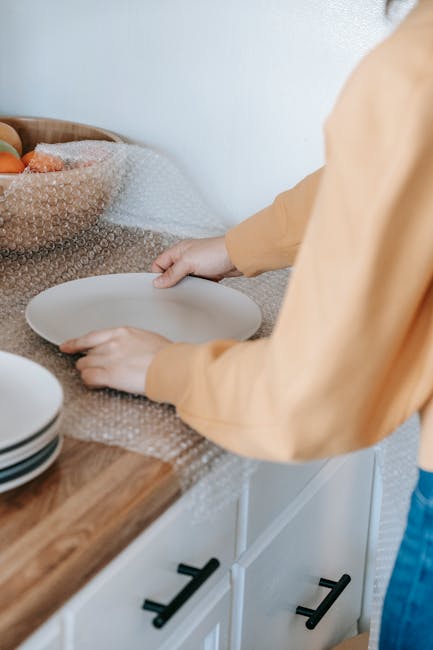
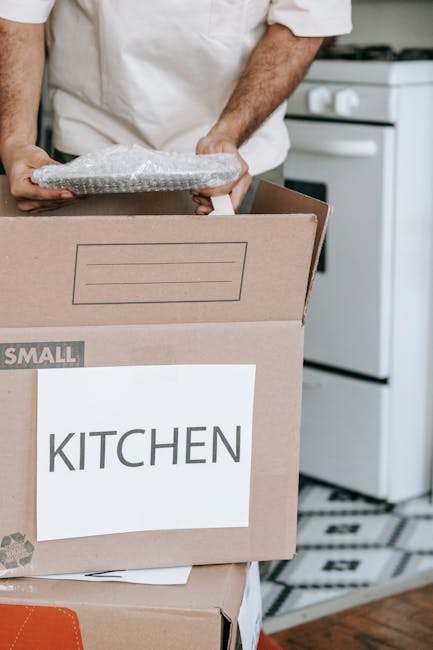
Use the right packing materials. Wrap glass shelves, tape doors shut gently, coil and bag cables, and protect corners with blankets or foam. A moving blanket or mattress cover can work well for larger surfaces. If you're using a removals team, ask whether they provide packing support or look at professional packing and unpacking services to save time.
4) Move and secure in transit
Appliances should be upright unless the manufacturer states otherwise. Secure them inside the van so they cannot tip, slide or slam into furniture. A removals van or moving van should be loaded with straps and padding so the appliance stays stable for the whole journey.
Where possible, leave enough time for the appliance to settle again after the move. Fridges and freezers often need a rest period before being plugged back in, depending on how they were transported and the manufacturer's guidance. It's worth checking the manual rather than assuming.
Key Benefits and Practical Advantages
Doing the job properly brings benefits that are obvious on moving day and less obvious a week later when everything still works as it should.
- Less risk of leaks and water damage: Properly draining washing machines and dishwashers helps stop soggy floors and damaged flooring.
- Lower chance of mechanical failure: Moving fridges, freezers and washers correctly reduces strain on internal components.
- Better protection for your home: Door frames, paintwork, tiles and flooring are less likely to suffer scuffs and dents.
- Safer lifting and carrying: A prepared appliance is easier to grip, balance and manoeuvre.
- Cleaner arrival at the new property: No one wants to open a van door and discover a drip trail, a loose shelf and a mystery smell.
There's another benefit that gets overlooked: peace of mind. Moving is already a bit noisy, a bit chaotic and occasionally a bit emotional. When the white goods are handled carefully, one major source of stress disappears. And that matters more than people admit.
If you're coordinating a broader move, it can also be helpful to pair this work with a trusted house removalists service or a broader home moves package so the appliance handling sits neatly inside the rest of the relocation plan.
Who This Is For and When It Makes Sense
This process is relevant to a surprisingly wide range of people. If you're moving a single machine, a whole kitchen, or just replacing an old appliance and need it transported somewhere else, the same principles apply.
- Home movers: Families and tenants moving between houses, flats or shared homes.
- Landlords and letting agents: Anyone managing end-of-tenancy appliance moves or replacements.
- Students and renters: Especially where compact kitchens and tight stairwells make moving awkward.
- Busy professionals: People who would rather avoid spending half a Saturday wrestling a fridge through a hallway.
- Small businesses: Offices or hospitality spaces moving appliances such as under-counter fridges or dishwashers.
It makes sense to use professional support when the appliance is large, heavy, integrated, expensive, awkwardly positioned, or connected to gas. It also makes sense when you're already stretched for time. Let's face it, most people don't need another DIY project on moving week.
For commercial or mixed-use properties, a broader service such as office removals or commercial moves may be more appropriate if appliances are part of a larger relocation.
Step-by-Step Guidance
Here's the practical version. Follow this sequence and you'll dramatically reduce the chance of damage or delay.
- Check the appliance manual. Look for transport guidance, rest times, and any model-specific warnings.
- Measure the route. Doorways, lifts, corridors, stairs and van access all matter. A tape measure is boring but brilliant.
- Clear the appliance. Remove contents, drawers, trays and detachable parts.
- Switch off and isolate supplies. Unplug the appliance and turn off water or gas where appropriate.
- Drain water fully. Washing machines and dishwashers should be emptied of residual water. Have towels ready.
- Secure cables and hoses. Coil them neatly and tape them to the appliance or place them in a labelled bag.
- Protect surfaces. Use blankets, bubble wrap or appliance covers around vulnerable parts and corners.
- Move upright and steady. Use a trolley or strap if needed, and keep the appliance under control at all times.
- Load securely. Strap the item into the van so it cannot move during braking or turning.
- Allow settling time. Before switching back on, wait according to the manufacturer's advice.
If the appliance has been in storage, has ice build-up, or was moved on a slope, check it over carefully before plugging it in. A quick inspection for dents, loose seals or damp patches is worth the effort.
And one small thing: do not rush the final check. It's very easy to think "that'll do" when the front door is open and the driver is waiting. Resist that temptation.
Expert Tips for Better Results
Most good appliance moves come down to small details done consistently. Nothing flashy. Just sensible habits.
Keep doors and drawers under control
Fridge doors and washer drums are more likely to shift than people expect. Use soft tape or straps that won't mark surfaces, and avoid over-tightening them. You want secure, not crushed.
Use the right side, where needed
Some appliances have guidance about which side they can be laid on, but many should stay upright. If you are in doubt, the manual is your friend. Guessing is not.
Label hoses and screws
A simple label on a bag of screws or brackets can save half an hour at the other end. You'll thank yourself later, probably while slightly sweaty and holding a spanner.
Protect floors and corners before moving starts
Lay down floor protection in hallways, on steps, or near thresholds. In older UK properties, a narrow staircase can quickly turn into a scraped wall if no one is watching the corners.
Plan for the landing place first
Don't just think about getting the appliance out. Think about where it will go in the new home. Is there space to open the door fully? Is there enough clearance near the socket? Is the floor level? A little planning here prevents the classic "it fits, but only if it never opens" problem.
If you're comparing support options, a specialist man and van removals service can be a good fit for smaller appliance moves, while larger domestic relocations may suit house removals or a more structured removal company arrangement.
Common Mistakes to Avoid
Here are the problems that crop up again and again, often because the move seemed easy at first.
- Leaving water inside appliances: This is the classic one. A machine can look dry and still hide water in the pipes or pump.
- Transporting a fridge full of contents: Besides being messy, it makes the appliance unstable and can damage shelves.
- Forcing appliances through too-small spaces: If it catches, it catches. Pushing harder rarely helps.
- Using too much tape: Sticky residue on painted fronts or stainless steel is annoying to remove.
- Laying appliances down without checking guidance: Some can handle it, many can't, and the damage may not show up immediately.
- Reconnecting too quickly: This is especially risky with fridges and freezers.
- Handling gas connections casually: Don't. Just don't.
A subtle mistake is forgetting the new property. People spend so much time preparing the outgoing side that they arrive at the new place and discover the appliance doesn't fit the alcove, the socket is in the wrong spot, or the hose won't reach. A bit awkward, but avoidable.
Tools, Resources and Recommendations
You don't need a van full of specialist equipment to move a white good safely, but the right basics make everything easier.
| Tool or item | What it helps with | Practical note |
|---|---|---|
| Moving blankets | Surface protection | Useful for doors, corners and stainless steel finishes |
| Appliance trolley | Safe lifting and rolling | Especially helpful for fridges and washing machines |
| Straps | Securing items in transit | Prevents sliding inside the van |
| Towels and absorbent cloths | Water cleanup | Keep a few close by during disconnection |
| Sealable bags and labels | Organising screws, hoses and fittings | Small item, big time saver |
| Gloves | Grip and hand protection | Helpful for awkward or damp appliances |
For bigger moves, a service with the right vehicle matters as much as the packing materials. A properly sized moving truck or removal truck hire option can make the difference between a clean, tidy move and a cramped load that shifts on every corner.
If you want a broader view of how the business handles customer service and booking, the about us page is useful, and contact us is the obvious next step when you're ready to ask about a specific job.
Law, Compliance, Standards, or Best Practice
Most domestic white good moves are not heavily regulated in the way some technical work is, but there are still clear UK best-practice expectations worth respecting.
Gas appliances: If a cooker or hob involves gas disconnection or reconnection, use a suitably qualified gas engineer. This is the safest and most sensible route. It may also be required depending on the situation and the provider's own policy. Do not assume a standard moving crew should handle gas fittings.
Electrical safety: Always isolate power before moving or disconnecting an appliance. If the socket, plug, or cable looks damaged, do not use it. Get it checked first.
Water connections: Washing machines and dishwashers should be isolated from the water supply before hoses are removed. It sounds obvious, but in a busy kitchen people sometimes skip the obvious and regret it immediately.
Insurance and duty of care: If you hire a removals provider, check what is covered and how items should be prepared. A responsible company should be transparent about limits and conditions. That's one reason people often look at insurance and safety before booking.
Consumer and service terms: If you're comparing companies, read the service terms carefully. The small print matters more than people think, especially around access issues, fragile items, waiting time, and responsibility for pre-existing damage. The terms and conditions page is there for a reason.
Environmental care: If an appliance is being replaced rather than relocated, check whether recycling or responsible disposal is available. Reuse and recycling are better than leaving old white goods to become someone else's problem. The recycling and sustainability page is a helpful reference here.
Options, Methods, or Comparison Table
Different moving situations call for different levels of help. The best method depends on the weight of the appliance, your access, and how much time you have.
| Method | Best for | Pros | Watch out for |
|---|---|---|---|
| DIY move | Small appliances, short distances, easy access | Lower upfront cost, flexible timing | Higher risk of injury, damage, and poor securing |
| Man and van | Single items or small household moves | Practical, quick, often cost-effective | May still need you to handle disconnection and preparation |
| Full removals service | Whole-home moves with multiple white goods | More support, better coordination, less stress | Typically a bigger booking than a simple one-item job |
| Specialist packing help | Fragile or high-value appliances, tight schedules | Better protection and faster preparation | Not always necessary for very simple moves |
For many people, the sweet spot is a combined service: a crew that can move the item, protect it properly, and slot it into a broader house move without chaos. If you want something simple and practical, man with van removal options are worth comparing alongside standard removals.
Case Study or Real-World Example
A common real-world scenario goes like this. A couple in Clapham are moving from a rented flat on the third floor to a small terraced house in Wimbledon. They have a fridge-freezer, a washing machine and a slim dishwasher. The flat has narrow stairs, the parking outside is limited, and the move has to happen between a morning handover and an afternoon key collection. Not exactly relaxing.
They start by emptying the fridge the night before, then defrost and dry it properly. The washing machine hoses are disconnected and bagged, the dishwasher is checked for standing water, and all doors are taped lightly closed with protective covering over the front. The moving team uses blankets and straps inside a van, and the appliances are kept upright. At the new property, the fridge is left to settle before being switched back on, while the washing machine is installed once the water and waste connections are checked.
The move isn't especially dramatic. That's the point. No leaks, no broken shelves, no panic. Just a fairly ordinary moving day that stayed ordinary because the awkward bits were handled properly. In a way, that is the win.
If a property is in a busier part of the city, such as Westminster, Islington or Greenwich, planning access and timing becomes even more important, especially where parking or loading restrictions apply.
Practical Checklist
Use this checklist before moving day. Print it, screenshot it, scribble it on the back of an envelope. Whatever works.
- Check the appliance manual for transport guidance.
- Measure doorways, stairs, lifts and hallways.
- Clear the appliance completely.
- Defrost fridges and freezers in advance if needed.
- Turn off water, power or gas supply where appropriate.
- Disconnect hoses and cables safely.
- Drain residual water from machines and dishwashers.
- Label screws, brackets and small fittings.
- Wrap doors, corners and fragile surfaces.
- Use straps, blankets and a suitable trolley or van space.
- Keep the appliance upright unless manufacturer guidance says otherwise.
- Check the new location before the move arrives.
- Allow settling time before switching appliances back on.
- Test everything carefully after installation.
Quick takeaway: if you prepare the appliance, protect the surfaces, and respect the rules around water, power and gas, you're already doing most of the important work.
For a little extra reassurance, many households find it useful to talk through the move with a team that understands the physical and practical side of the job. If that sounds sensible, start with pricing and quotes so you can compare options without pressure.
Conclusion
Safely moving white goods is really about reducing avoidable risk. Drain the water, isolate the supply, protect the surfaces, secure the load, and give the appliance time to settle at the other end. Those steps sound modest, but they make a huge difference.
Whether you're relocating a single washing machine or preparing a full kitchen for a home move, the smartest approach is usually the calm one. A little planning goes a long way, and a careful move tends to feel much smaller on the day than it looked on the calendar.
If your move feels too large to handle alone, or you simply want a smoother day, a trusted removal team can take a lot of the strain out of it. There's no medal for doing the heaviest part by yourself.
Get a free quote today and see how much you can save.
One last thought: the best moves are the ones you remember only for the good reason that nothing went wrong. That's a quiet kind of success, and honestly, it's a lovely thing.
Frequently Asked Questions
Do I need to disconnect my washing machine before the movers arrive?
In most cases, yes. Movers can usually help with the transport side, but you should plan to isolate and disconnect water supplies in advance unless your booking clearly includes that service. The machine should be drained, hoses secured, and the area left dry enough for safe lifting.
Can a fridge be laid on its side during a move?
It depends on the appliance and the manufacturer's guidance. Many fridges are best kept upright, and if they must be tilted or laid down, they often need time to settle before being switched back on. Check the manual rather than assuming.
How long should I wait before plugging in a fridge after moving it?
The answer varies by model and by how it was transported. Some appliances can be plugged back in after a short settling period, while others need longer. The safest approach is to follow the manufacturer's instructions for your specific unit.
Who should disconnect a gas cooker in the UK?
A suitably qualified gas engineer should handle gas disconnection and reconnection. This is a safety matter, and it should not be treated as a casual DIY job.
What is the best way to move a dishwasher without leaks?
Turn off the water supply, drain any residual water, disconnect hoses carefully, and keep the appliance secure during transit. It also helps to ensure the dishwasher is fully empty and dry before it's moved.
Do removal companies pack white goods as well?
Many do, but the exact service varies. Some provide packing support, appliance protection and loading, while others expect the customer to disconnect items first. It's worth checking the scope before booking.
How can I stop my appliance getting damaged in the van?
Use blankets, padding and straps, and keep the appliance upright and stable. The item should not be free to slide, tip or collide with other items. Good loading matters more than people think.
Is it worth hiring a man and van for one appliance?
Often yes, especially for a large or heavy item that is awkward to move safely by yourself. A smaller service can be a practical middle ground between doing it alone and booking a full removals crew.
What should I do with an old white good I'm not taking to the new property?
Look into responsible reuse, resale, recycling or removal options. Old appliances should not be left in the wrong place or dumped. If you're arranging disposal as part of a move, ask about recycling and sustainability options.
How much does it cost to move white goods in the UK?
Costs vary depending on the appliance size, access, distance, and whether disconnection or packing is included. It's better to request a tailored quote than rely on a generic figure, because every move is a bit different.
Can movers disconnect appliances for me?
Sometimes they can assist with simple electrical or water-connected items if that service is included and the setup allows it. Gas appliances are a different matter and should be handled by a qualified specialist.
What's the biggest mistake people make when moving white goods?
The most common mistake is rushing. People forget to drain machines, skip the manual, or push through tight spaces without enough protection. That's when leaks, dents and stressful delays tend to happen.
Should I choose house removals or a smaller van service for appliances?
If you're moving a full household, a broader house removals service is often the better fit. If it's just one or two items, a smaller man and van style service may be more efficient.
What should I check at the new property before the appliance arrives?
Check the power socket, water connection points, space for door opening, floor level and access route. A quick look beforehand can prevent a surprisingly awkward arrival, especially in older UK homes or compact flats.