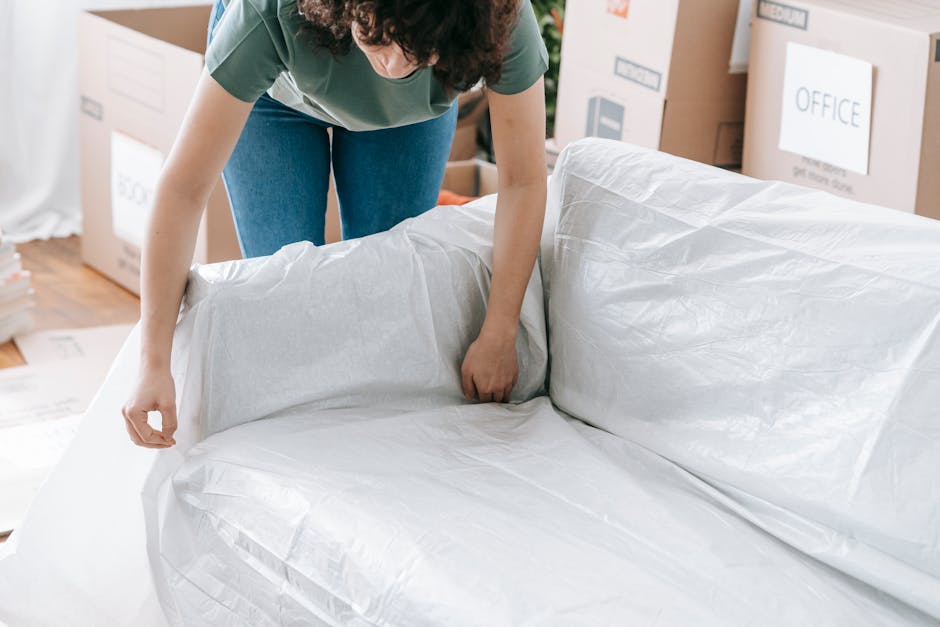
Preparing Your Home for Same-Day Removals: Room-by-Room
Same-day removals can feel brisk, efficient, and a little unforgiving all at once. There is no luxury of "we'll sort it later" when the van is arriving, the keys are changing hands, and every minute matters. That is exactly why preparing your home for same-day removals room-by-room is the smartest way to stay calm, protect your belongings, and help the crew work quickly without getting boxed into avoidable delays.
This guide breaks the process into practical, room-by-room steps so you can prioritise the right items, avoid last-minute panic, and keep the moving day running smoothly. Whether you are booking man and van removals, arranging house movers, or simply trying to make a tight moving window work, the principles are the same: clear access, label well, protect breakables, and keep essentials close. Simple in theory. Much less simple if you leave it until the last hour.
Expert summary: The best same-day move prep is not about doing everything. It is about doing the right things early, in the right order, with each room handled according to what matters most.
Key takeaway: In a same-day removal, speed comes from structure. If each room is packed, cleared, and labelled before the van arrives, your move becomes safer, faster, and far less stressful.
Table of Contents
- Why Preparing Your Home for Same-Day Removals: Room-by-Room Matters
- How Preparing Your Home for Same-Day Removals: Room-by-Room Works
- Key Benefits and Practical Advantages
- Who This Is For and When It Makes Sense
- Step-by-Step Guidance
- Expert Tips for Better Results
- Common Mistakes to Avoid
- Tools, Resources and Recommendations
- Law, Compliance, Standards, or Best Practice
- Options, Methods, or Comparison Table
- Case Study or Real-World Example
- Practical Checklist
- Conclusion
- Frequently Asked Questions
Why Preparing Your Home for Same-Day Removals: Room-by-Room Matters
Same-day removals compress the entire moving process into a tight schedule. That changes the game. In a standard move, you might have time to reorganise boxes, move items between rooms, or pause and rethink the layout. On the day itself, you do not. The moving team needs a home that is predictable: clear hallways, ready boxes, secure furniture, and no mystery clutter hiding behind doors or under beds.
Room-by-room preparation matters because most delays are not caused by the van. They are caused by people trying to decide what goes where while the clock is already running. A loose bedside table full of cables, a kitchen drawer with batteries and scissors, or a wardrobe still packed with miscellaneous items can create small bottlenecks that add up quickly.
There is also a safety angle. Good preparation reduces trip hazards, protects breakables, and makes heavy lifting less awkward. If you have ever tried to carry a wardrobe past a pair of shoes, a recycling bag, and a child's scooter all at once, you know the problem. The room is not just a space; it is part of the moving route.
For many homes, this approach also improves the quality of the move itself. Fragile items are less likely to be rushed. Essential items are easier to access. And the people helping you move can focus on loading efficiently instead of asking where everything is. If you are comparing removal services or deciding between a broader team and a simpler booking such as man with a van, the benefit of a well-prepared home is the same: less friction, fewer surprises, better control.
It is also worth saying that same-day moves often happen under pressure. Completion times slip. Tenancy handovers tighten. Builders finish late. Life happens. A room-by-room approach gives you a method that still works when the day feels slightly chaotic.
How Preparing Your Home for Same-Day Removals: Room-by-Room Works
The process is best understood as a sequence. First, you identify what must travel, what must stay, and what you need immediately on arrival. Then, you clear each room in a practical order so the removals team can move without obstruction.
Think of it in three phases:
- Sort - Decide what is moving, what is being donated, what is rubbish, and what needs special handling.
- Pack - Box room-specific items together, protect fragile belongings, and label clearly.
- Clear - Remove loose items from floors, surfaces, and pathways so furniture can be carried out safely.
The reason this works so well is that it keeps decisions local to each room. You are not trying to pack the whole house in one giant blur. You are making small, controlled decisions: kitchen, bedroom, bathroom, living room, loft, hallway. That is manageable even on a compressed timeline.
For example, in the kitchen, you might remove food, wrap glassware, and separate a kettle and mug for your first night box. In the bedroom, you may prioritise clothes, medication, chargers, and bedding. In the living room, it might be about books, electronics, remote controls, and wall accessories. Each room has a different rhythm.
That is why professional movers often appreciate homes that are organised by zone. It reduces back-and-forth and allows them to load in a safer order. If you are also arranging a moving van or removal van, the same logic helps maximise space and reduce awkward handling.
Key Benefits and Practical Advantages
A well-prepared home does more than look tidy. It changes how the move performs in practice.
- Faster loading: Clear access and grouped boxes make it easier to move room by room.
- Lower damage risk: Properly packed items are less likely to be scratched, dropped, or crushed.
- Less decision fatigue: You are not deciding what belongs where while standing in an open front room surrounded by cardboard.
- Better van use: Furniture and boxes can be loaded in a more efficient order.
- Smoother handover: You can leave the property cleaner and emptier, which is especially useful when timings are tight.
- Less stress for everyone: That includes you, the movers, and anyone waiting on the other side of the move.
There is also a hidden benefit: you spot problems earlier. A missing box tape roll, a broken lamp, an overfull storage cupboard, a sofa that will not fit through the door without removing legs-room-by-room prep tends to reveal these issues when there is still time to act.
If your move is part of a bigger home transition, you might also find it useful to look at home moves and house removals options to understand which service level fits your property size and timing.
Who This Is For and When It Makes Sense
This approach is ideal for anyone moving on short notice, but it is especially useful if you are:
- completing a sale and have to vacate quickly
- moving out of a rental on the same day you receive keys elsewhere
- relocating a small-to-medium home with limited packing time
- moving with children or pets and need a clearer sequence
- using a man and van or smaller crew where efficiency matters even more
- coordinating multiple helpers and want everyone to know the plan
It also makes sense if you are not fully packed but still need to move the bulk of your belongings safely. In those cases, the right response is not panic. It is triage. Prioritise the essentials, manage the routes, and keep the move workable rather than perfect.
For larger or more complex homes, room-by-room prep is still useful, but you may want to consider extra help such as packing and unpacking services or a larger vehicle through removal truck hire. Same-day moves do not reward optimism. They reward planning.
Step-by-Step Guidance
Below is a practical room-by-room process that works for most homes. You can adapt it to a flat, terrace, semi-detached house, or smaller apartment with minimal fuss.
1. Start with the hallway and main routes
Before you touch a single box, clear the route. Hallways, landings, staircases, and front-door access should be free from shoes, coats, plants, recycling, and anything else people might trip over. This is the quickest win in the whole process.
If the movers have to repeatedly step around items, the whole operation slows down. Keep doorways open where possible and make sure keys, parking details, and access instructions are easy to find.
2. Tackle the bedrooms
Bedrooms often contain a mix of obvious items and hidden clutter. Start with bedside tables, under-bed storage, wardrobes, and laundry baskets. Pack clothing in bags or boxes by category rather than trying to be too clever. "Summer clothes," "workwear," and "first-night clothes" is enough.
Keep bedding together if you will need it that evening. If medicine, glasses, or chargers are in the bedroom, move them into a clearly labelled essentials bag. No one enjoys searching for a phone cable at bedtime after a move.
3. Work through the kitchen
The kitchen usually takes the longest because it contains awkward, breakable, and edible items all at once. Separate crockery, glassware, pans, food, cleaning products, and small appliances. Drain and empty appliances where needed. Fridge and freezer contents should be reduced in advance if possible.
Wrap fragile items individually. Use smaller boxes for heavy objects like tins and books so they are not too weighty. Mark boxes clearly with contents and room destination. Kitchen boxes labelled only "miscellaneous" have a habit of becoming future archaeology projects.
4. Clear the living room and dining space
These rooms often contain electronics, decorative objects, artwork, books, and soft furnishings. Unplug devices early, coil cables neatly, and keep accessories with the equipment they belong to. If you can, photograph the back of the TV or stereo setup before disconnecting anything. That small step saves time later.
Take wall-mounted items down carefully, and put screws, brackets, and remote controls into a labelled bag. Softer items like cushions and throws can be used to protect more delicate objects during transit.
5. Sort the bathroom
Bathrooms are usually quick to pack but easy to overlook. Remove toiletries, medicines, chargers, spare towels, and cleaning supplies. Seal liquids securely and avoid packing opened bottles loosely together. Anything damp should be dried or separated before boxing.
If you are leaving behind a nearly empty bathroom cabinet, check for hidden items at the back. Toothbrush chargers, spare razors, and prescription items have a knack for disappearing into the smallest spaces.
6. Deal with lofts, cupboards, and storage areas
These spaces can quietly consume the most time. They are full of things you have not seen for months, which is exactly why they deserve attention early. Sort into keep, donate, dispose, and relocate piles. Avoid moving unsorted boxes from one storage area to another. That is not organisation; it is relocation of the problem.
If you have furniture or surplus items that need collecting separately, a dedicated service such as furniture pick up can be a practical add-on.
7. Finish with outside spaces
Gardens, sheds, garages, balconies, and outdoor storage often contain tools, bikes, garden furniture, and seasonal equipment. These items are easy to underestimate. Bag loose items, keep tools safe, and make sure wet or dirty items are not packed against clean soft furnishings.
For outdoor furniture and larger pieces, think in terms of access first and packing second. If the route is awkward, move the item early while everyone still has energy.
8. Prepare the essentials box
This is one of the most important parts of same-day moving. Your essentials box or overnight bag should travel with you, not disappear into the back of the van. Include:
- phone chargers
- medication
- toiletries
- basic cutlery and mugs
- snacks and water
- documents
- one change of clothes
- basic cleaning cloths
- keys and access details
Think of it as your reset kit for the first 24 hours.
Expert Tips for Better Results
Once the basics are covered, small refinements make a noticeable difference.
- Label by room, then by priority. "Kitchen - fragile" is more useful than "Box 12."
- Keep heavy items in smaller boxes. This protects both the contents and the people carrying them.
- Group loose parts in clear bags. Furniture screws, brackets, and cables should never float around in a mystery drawer.
- Use a colour system if the move is larger. Even a simple marker or sticker can save confusion.
- Take photos of assembled items before disassembly. It helps with reassembly, especially for beds, shelving, and electronics.
- Separate valuables early. Passports, jewellery, cash, and key documents should stay with you.
A practical observation from many moves: the room that feels "mostly done" is often the one that causes the most delay. The last 10% of clutter takes longer than people expect. Build in time for it.
If you need a broader team or a company overview before booking, pages like removal company, removal companies, and movers can help you compare service styles and decide what level of support fits your move.
Common Mistakes to Avoid
Same-day removals leave very little room for avoidable errors. These are the ones worth watching closely:
- Leaving packing until the moving crew arrives. This is the fastest route to stress.
- Mixing essential items into general boxes. You will not want to hunt for medication at 10pm.
- Overpacking boxes. Heavy boxes crack, split, or become unsafe to carry.
- Ignoring access issues. Parking, stairs, narrow halls, and lift restrictions all affect timing.
- Forgetting to defrost or empty appliances. Moisture and mess can create problems on the day.
- Not checking what stays and what goes. This is how things get packed by accident.
- Assuming the movers will sort the whole house for you. They can help, but they cannot read the contents of every cupboard.
Another common mistake is trying to make the move "perfect." On a same-day schedule, perfect is not the goal. Functional, safe, and organised is the goal. Good enough, done well, wins every time.
Tools, Resources and Recommendations
You do not need specialist equipment to prepare well, but a few simple tools make the day much easier.
| Tool or resource | Why it helps | Best use |
|---|---|---|
| Strong cardboard boxes | Protects contents and stacks better in the van | Books, kitchen items, household goods |
| Packing tape and dispenser | Speeds up sealing and reinforcement | All rooms |
| Labels or marker pens | Makes unloading more organised | Box destination and priority notes |
| Bubble wrap or paper wrap | Reduces impact damage | Glassware, ornaments, electronics accessories |
| Zip bags | Keeps small parts together | Screws, keys, cables, fittings |
| Furniture blankets | Protects large items during transport | Sofas, tables, cabinets |
| Essentials bag | Keeps critical items within reach | First night and moving day essentials |
If you are weighing up whether to handle the move with a smaller team or a fully managed service, it can help to review man with van removal and house removalists pages for a better sense of the support each route can offer. And if your move has a local angle, it may be worth checking removals near me for area-specific availability.
Law, Compliance, Standards, or Best Practice
For home removals, the most important compliance points are usually practical rather than legal. Still, best practice matters.
For example, if a removal company handles your belongings, you should expect clear communication about access, limitations, insurance, and any items they will not transport. It is sensible to read service terms carefully, especially for fragile goods, parking restrictions, delays, and cancellation conditions. If you are comparing providers, their terms and conditions and insurance and safety information should be easy to find and easy to understand.
On a practical level, you should also take reasonable steps to protect people and property during the move. That means keeping walkways clear, lifting safely, securing pets and children away from the loading area, and not packing hazardous household materials with general goods unless the provider explicitly says they are acceptable.
If the property is leasehold, rented, or part of a managed block, there may be building rules about lift use, loading bays, or noise windows. Those are not universal rules, so check locally rather than assuming. Same-day moves often fall foul of simple access issues, not major legal ones.
For businesses or mixed-use properties, there may be separate expectations around keys, access control, and building management. In that case, office removals and office relocation services pages may be helpful if your move includes work equipment or a home office setup.
Options, Methods, or Comparison Table
Not every same-day move needs the same setup. The right method depends on property size, volume, access, and how much packing is already done.
| Approach | Best for | Pros | Trade-offs |
|---|---|---|---|
| Room-by-room self-prep | Smaller homes, short timelines, organised households | Cheap, structured, highly flexible | Requires discipline and time on your part |
| Partial prep with mover support | Busy households, families, mixed packing readiness | Balanced workload, faster on the day | May cost more than self-prep |
| Full packing assistance | Large homes, fragile contents, very tight deadlines | Fast, efficient, less stressful | Higher service dependency and cost |
| Small van or man-and-van model | Compact moves, light loads, local relocations | Agile and often ideal for short-notice jobs | Less space and fewer hands for complex moves |
For many people, the sweet spot is a hybrid setup: do the room-by-room sorting yourself, then bring in help for lifting, transport, and heavier furniture. That is especially true if you are using man and van or removals van services and want to keep things efficient without overcomplicating the day.
Case Study or Real-World Example
Consider a small family moving out of a two-bedroom flat on the same day they receive keys to a new property. They have one morning to hand over the old flat and one afternoon to unload the new one. Not ideal, but perfectly manageable with a room-by-room method.
They start the night before by completing essentials: passports, medication, chargers, kettle, snacks, a change of clothes, and bedding. The hallway is cleared first, then the bedrooms are packed, then the kitchen, then the living room. The bathroom and storage cupboards are left until last because they are quick wins once the main load is done.
On moving day, the van arrives to a home that is already navigable. The movers do not have to step around clutter. Boxes are grouped by room. Furniture is easy to access. The loading order makes sense. The family is tired, sure, but not frantic. That is the difference room-by-room prep makes.
Nothing dramatic happened. And that is precisely the point. Good moving days are often boring in the best possible way.
Practical Checklist
Use this checklist to stay on track before the movers arrive.
- Confirm moving time, access details, and contact numbers
- Reserve parking or loading space where necessary
- Clear hallways, stairs, and front-door routes
- Pack bedroom, kitchen, living room, bathroom, and storage areas by zone
- Label every box with room name and priority
- Wrap fragile items securely
- Separate valuables and important documents
- Prepare an essentials bag for the first 24 hours
- Disconnect and organise electronics and cables
- Empty, defrost, or clean appliances if needed
- Check lofts, cupboards, sheds, and under-bed storage
- Dispose of rubbish and donate unwanted items in advance
- Keep pets and children away from loading areas
- Walk through each room once more before the van arrives
If you want a practical next step after reading this guide, reviewing pricing and quotes can help you match your move size to the right level of support.
Conclusion
Preparing your home for a same-day removal is not about making the house look immaculate. It is about removing friction. A room-by-room approach gives you control where it matters most: access, packing order, labels, safety, and essentials. That structure saves time, reduces stress, and helps your movers work efficiently without guesswork.
If you remember only one thing, make it this: sort the house in zones, not as one giant job. That single decision can make a tight move feel surprisingly manageable.
And if you are still unsure about the right support level for your move, a quick conversation with a removals specialist can save you a lot of avoidable back-and-forth later.
Get a free quote today and see how much you can save.
Frequently Asked Questions
How do I prepare for same-day removals if I have very little time?
Start with essentials and access. Clear the hallway, pack one room at a time, protect fragile items, and keep a first-night bag separate. Do not try to finish every cupboard perfectly; focus on the items that must move and the routes the movers will use.
What should I pack first in a same-day house move?
Pack non-essential items first: ornaments, spare clothing, books, extra kitchenware, and storage room contents. Leave daily-use items, medication, chargers, and important documents until the end so they stay accessible.
Should I label boxes by room or by contents?
Both, if possible. Room labels help movers unload quickly, while content notes help you find things later. A label such as "Kitchen - glassware" is more useful than a box number alone.
How do I prepare fragile items for a same-day move?
Wrap each item individually, use smaller boxes, and fill empty space so items cannot shift. Mark the box as fragile, but do not rely on the label alone. Good packing still matters more than the sticker.
What is the easiest room to start with when moving?
Most people find it easiest to start with storage spaces, spare rooms, or the hallway because they create quick visible progress. That said, if you need the kitchen or bedroom essentials later in the day, prepare those items early too.
Do movers pack everything for same-day removals?
Not always. Some services include packing support, while others focus on transport and loading. If you need help with packing and unpacking, check whether packing and unpacking services are available before the moving day.
How can I make the moving day faster?
Clear all pathways, group boxes by room, disassemble furniture where practical, and keep cable sets and hardware in labelled bags. The less sorting the movers need to do on site, the faster the day will go.
What should I keep with me instead of putting in the van?
Keep passports, keys, medication, jewellery, cash, phones, chargers, and any irreplaceable documents with you. Also keep one change of clothes and any items you may need before boxes are unpacked.
Is a man and van service suitable for same-day removals?
Yes, for smaller or lighter moves it can be an excellent option. A man with van setup is often ideal when the load is modest and the move is local, but larger homes may need more capacity.
How should I handle kitchen appliances before the move?
Unplug them early, empty contents where needed, and check whether any appliance needs time to defrost or dry. Keep cords tied neatly and pack accessories with the appliance they belong to.
What if I am still packing on the morning of the move?
Prioritise the essentials, then pack room by room from the most important spaces outward. If time is running short, pause and contact your removals provider rather than creating random half-packed boxes that slow everything down.
Are there rules about parking or access for removal vans?
Often yes, especially in managed buildings or busy streets. The exact requirements vary by location, so it is worth checking access arrangements in advance and making sure the van can load safely without blocking traffic or entrances.
How do I choose the right removal service for a same-day move?
Choose based on volume, access, timing, and how much packing you have completed. If you want broader support, compare removal company options, or review removals services to see what best fits your situation.
Can I use this room-by-room method for flats as well as houses?
Absolutely. Flats often benefit even more because hallways, stairwells, and lifts can become bottlenecks very quickly. The method works just as well in a compact apartment as it does in a larger home.